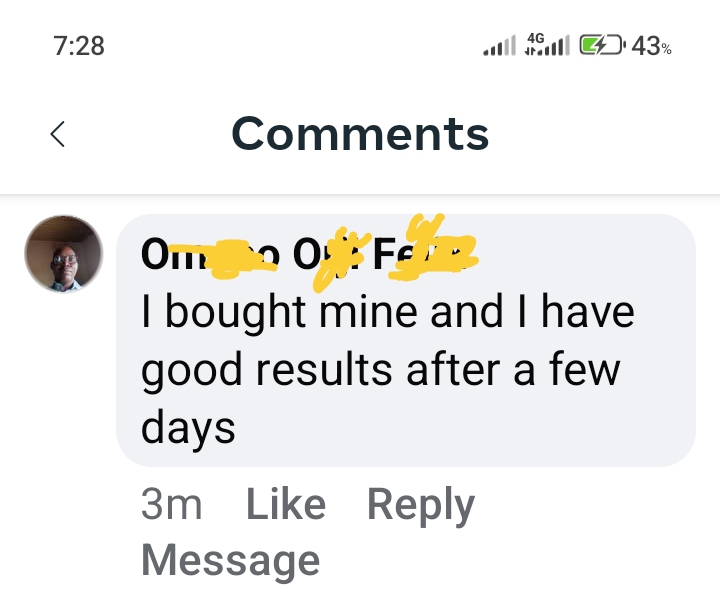
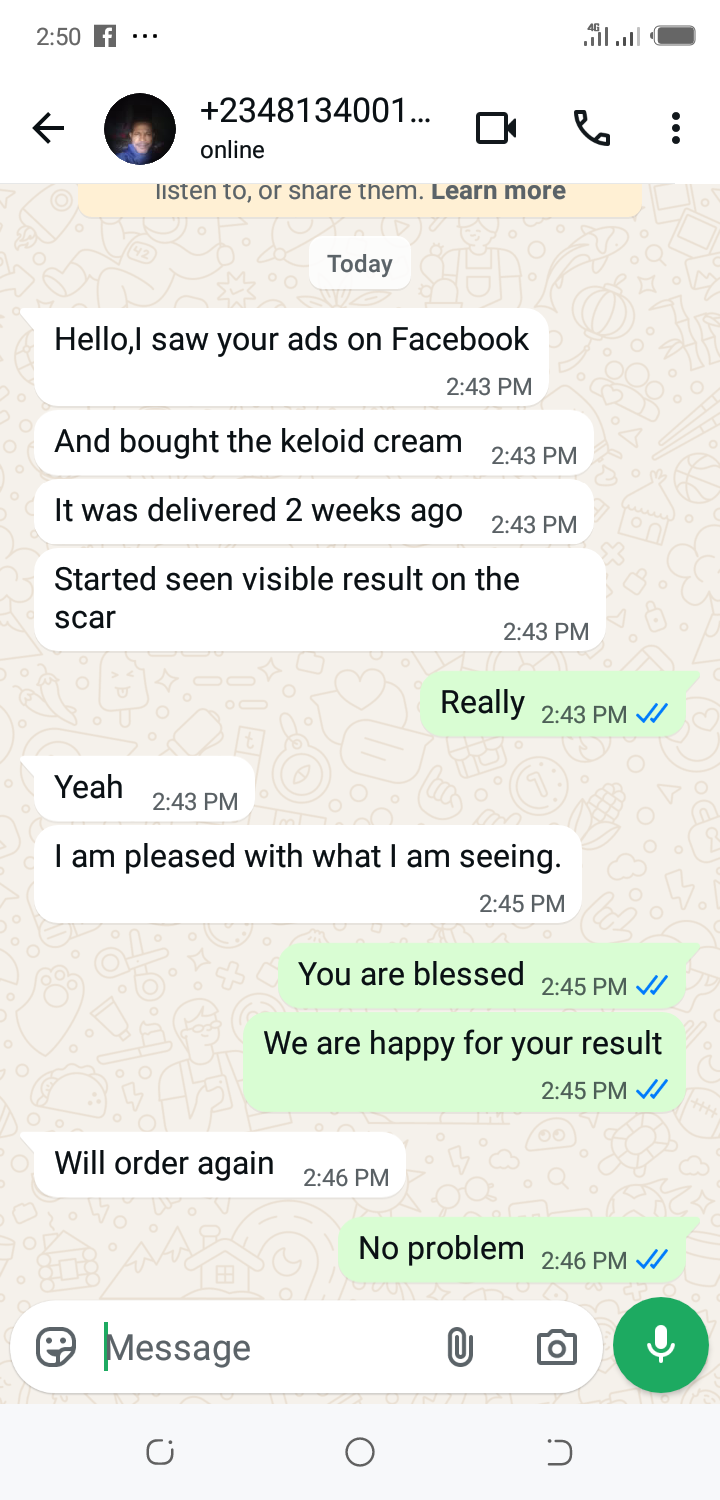
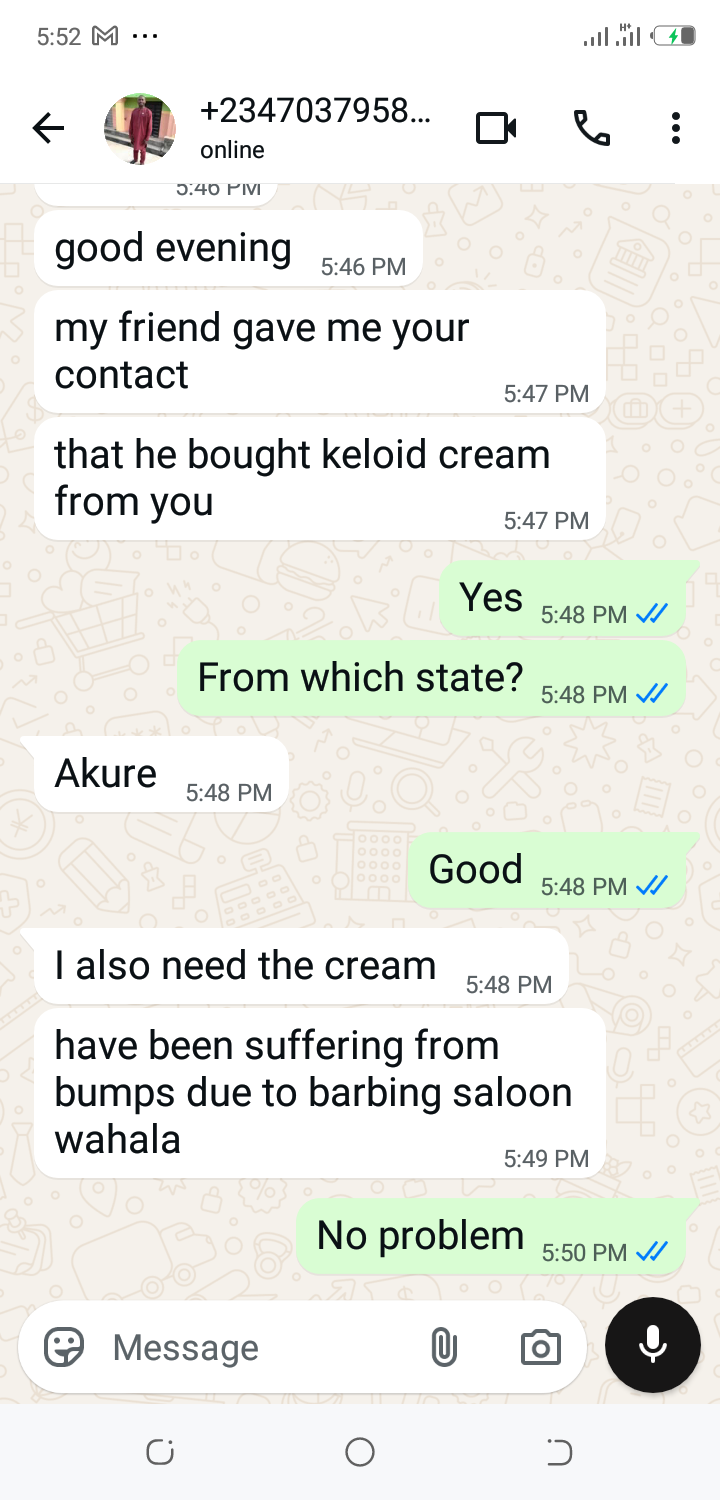
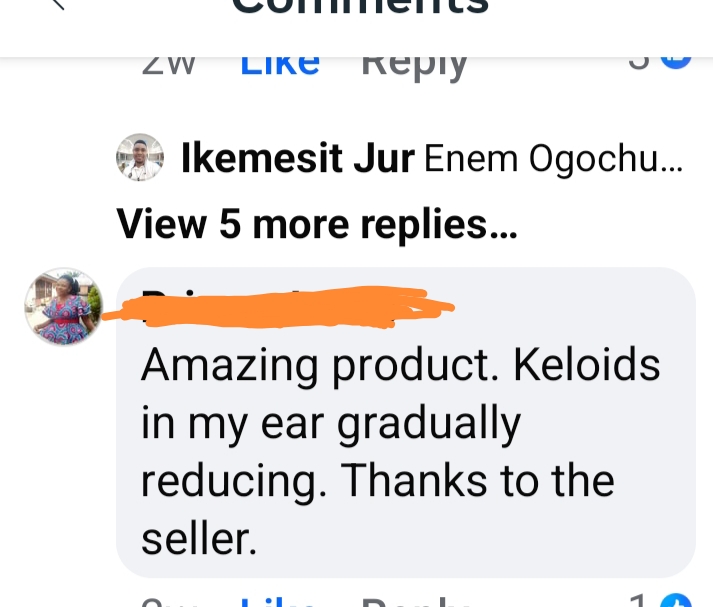
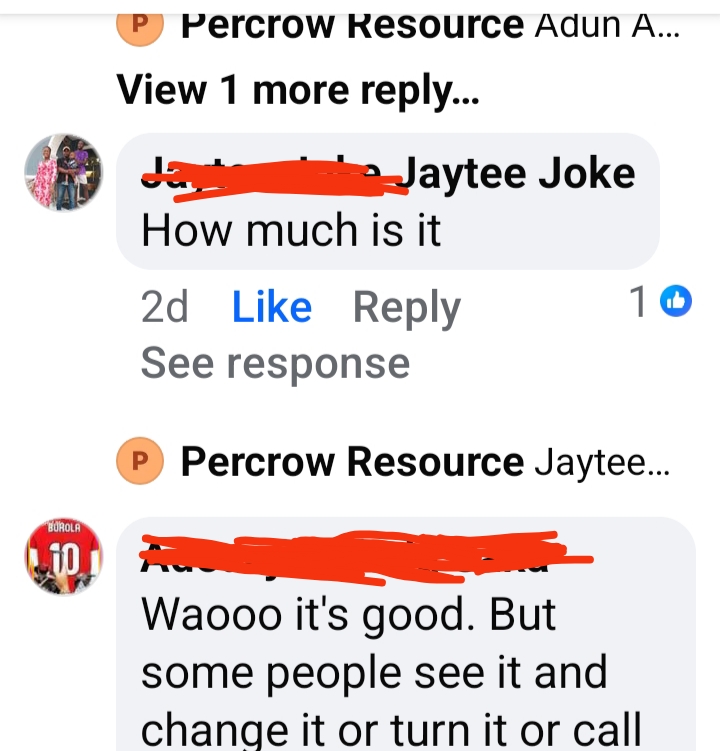
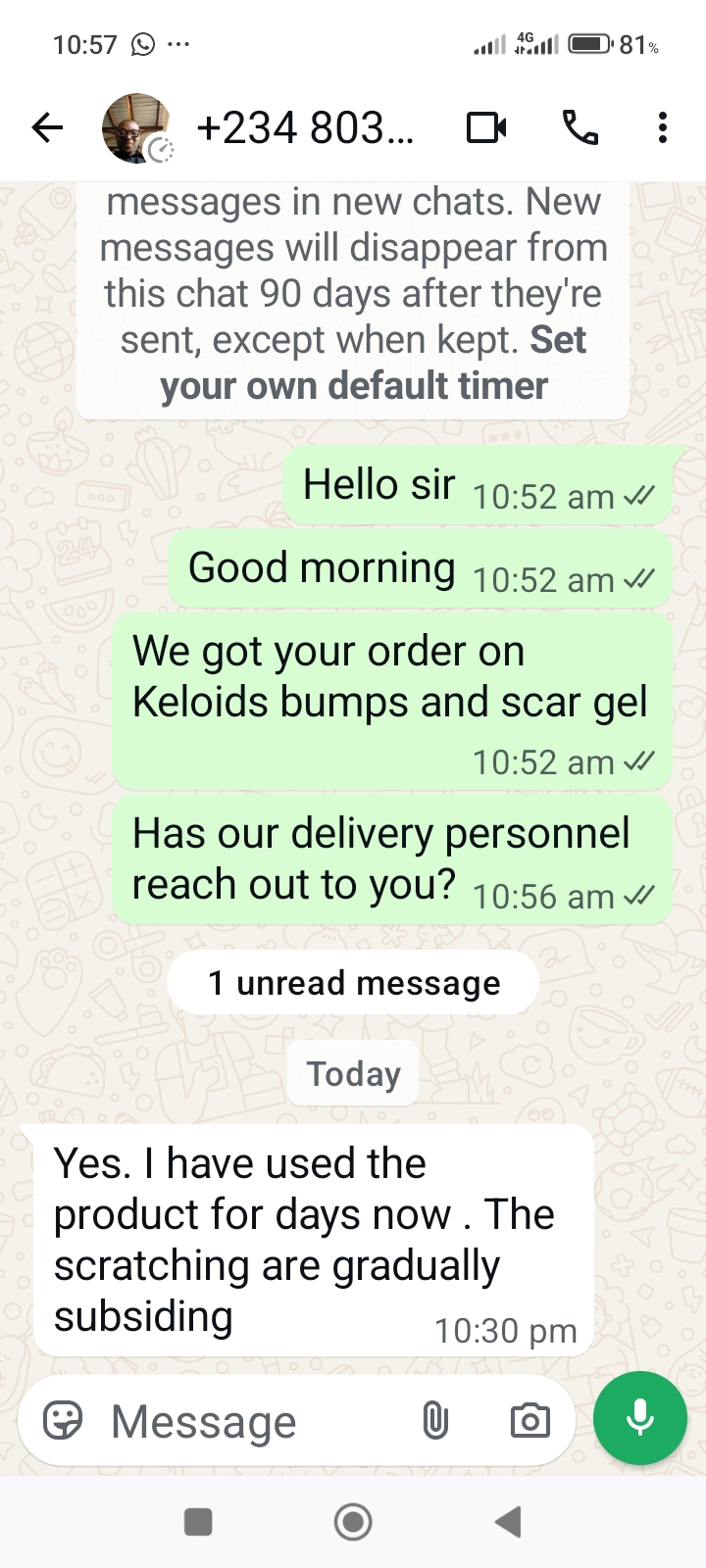
Customer's Reviews
FREE BONUS
FREE Delivery Nationwide.
A FREE Consultation with our skincare expert on Keloids, Bumps and Scars (valued at ₦15,000:00)
Total of ₦25,000 : 00 FREE BONUSES!!!
Discover the transformative power of our unique After Shaving Bumps, Ear/Nose piercing Keloids & Scar Fade Cream - specifically formulated to soothe, heal, and rejuvenate.
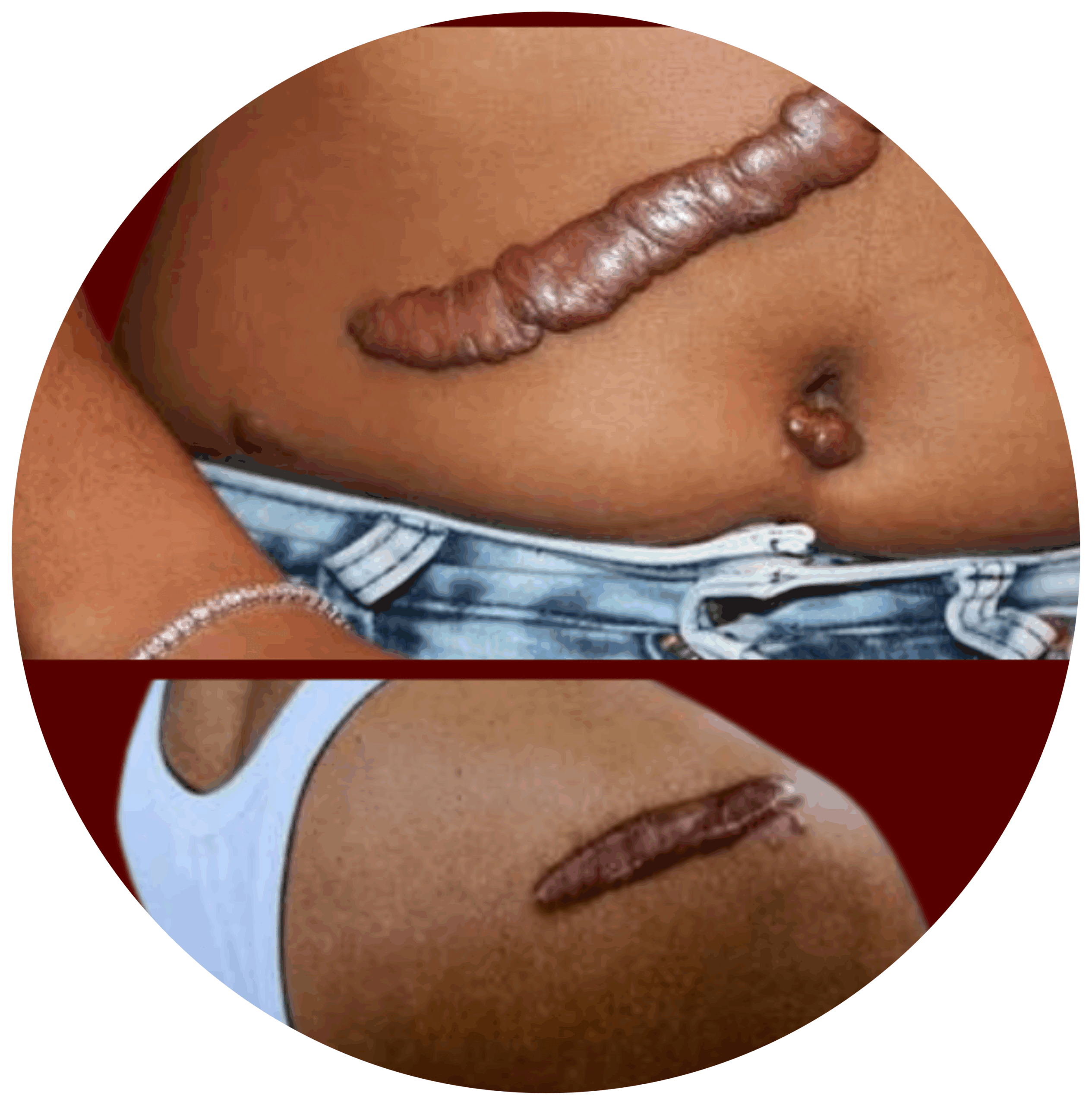
Have you ever noticed a scar that kept growing even after a wound had healed? Instead of becoming flatter and less noticeable, it became thicker, raised, and extended beyond the original injury. This is known as a keloid. For many people, keloids are more than just a cosmetic concern. Have you ever looked in the mirror after shaving and thought, “Not again…”? Maybe you noticed those tiny bumps around your beard area. Maybe an old wound left behind a raised scar that seems impossible to ignore. Or perhaps a small injury healed months ago, but the mark is still there, reminding you of what happened. If this sounds familiar, you’re not alone.
They can affect confidence, especially when they appear on visible areas such as the ears, nose, face, neck, chest, or shoulders. The good news is that while keloids can be challenging to manage, proper skincare and early attention can help improve their appearance.
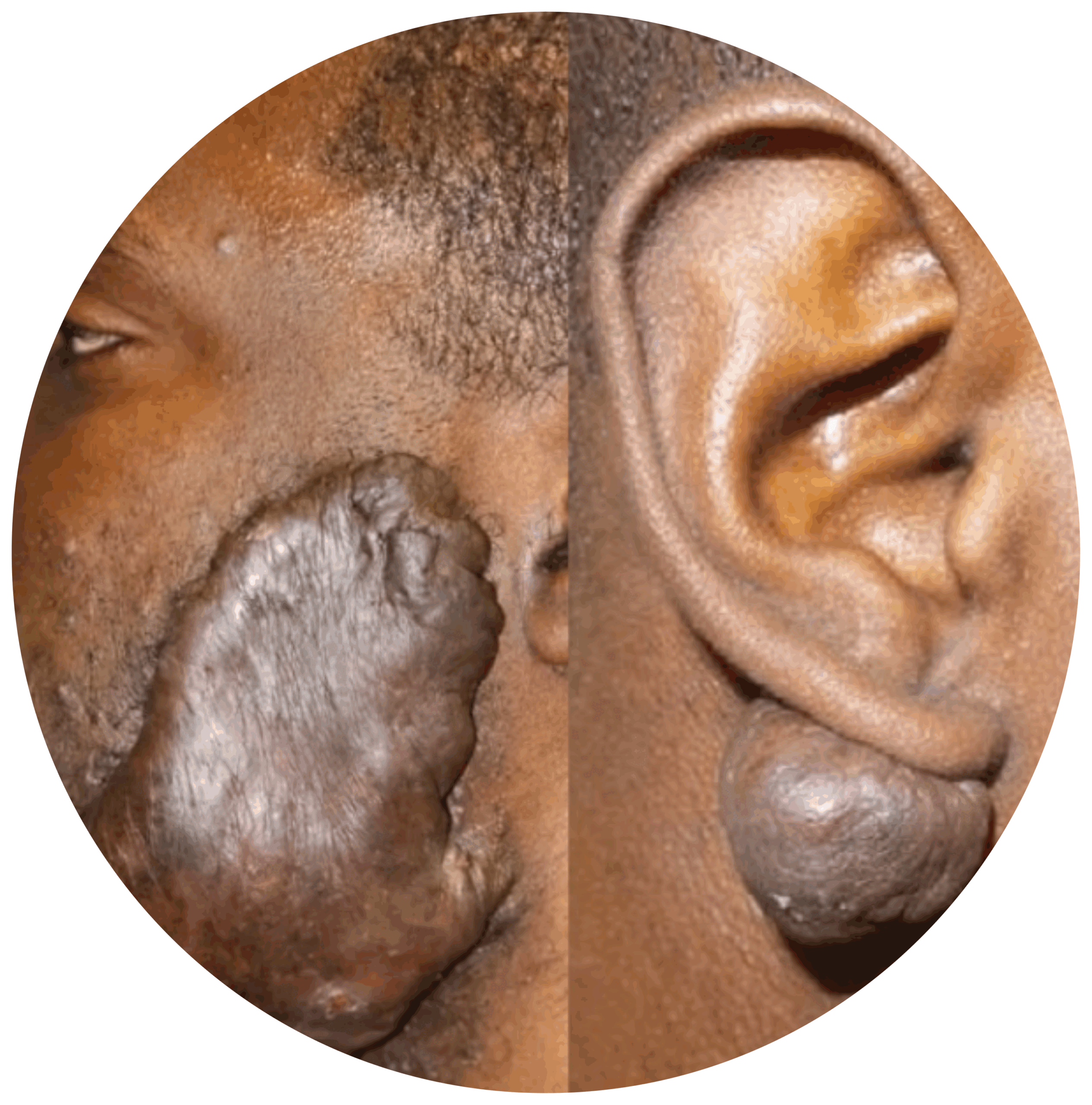
What Is a Keloid? A keloid is a type of raised scar that develops when the body produces more collagen than is needed during the healing process. Collagen is the protein that helps repair damaged skin. Normally, collagen production slows once a wound has healed. In a keloid, however, collagen continues to build up, causing the scar to become larger, thicker, and more noticeable. Unlike ordinary scars, keloids often grow beyond the edges of the original wound.
Where Do Keloids Come From? Keloids can develop after almost any injury to the skin, even a very small one. Common triggers include:
* Ear piercing
* Nose piercing
* Surgical incisions
* Scrapes Burns
* Acne scars
* Chickenpox scars
* Tattoos
* Insect bites
* Vaccination sites
* Shaving injuries
Who Is More Likely to Develop Keloids?
Anyone can develop a keloid, but some people have a higher chance than others. Factors that increase the likelihood include:
A family history of keloids.
Naturally darker skin tones.
Being between the ages of 10 and 30.
Repeated irritation or friction around a healing wound.
Delayed or abnormal wound healing.
Having one keloid may also increase the likelihood of developing another after future skin injuries.
Common Symptoms of Keloids
Keloids can vary in size and appearance,
but they often have these features:
Raised above the surrounding skin.
Smooth and shiny surface.
Firm or rubbery texture.
Pink, red, brown, or darker than the surrounding skin.
Itching or tenderness.
Occasional discomfort when clothing or jewelry rubs against them.
Some remain small, while others may gradually enlarge over time.
Shaving Bumps
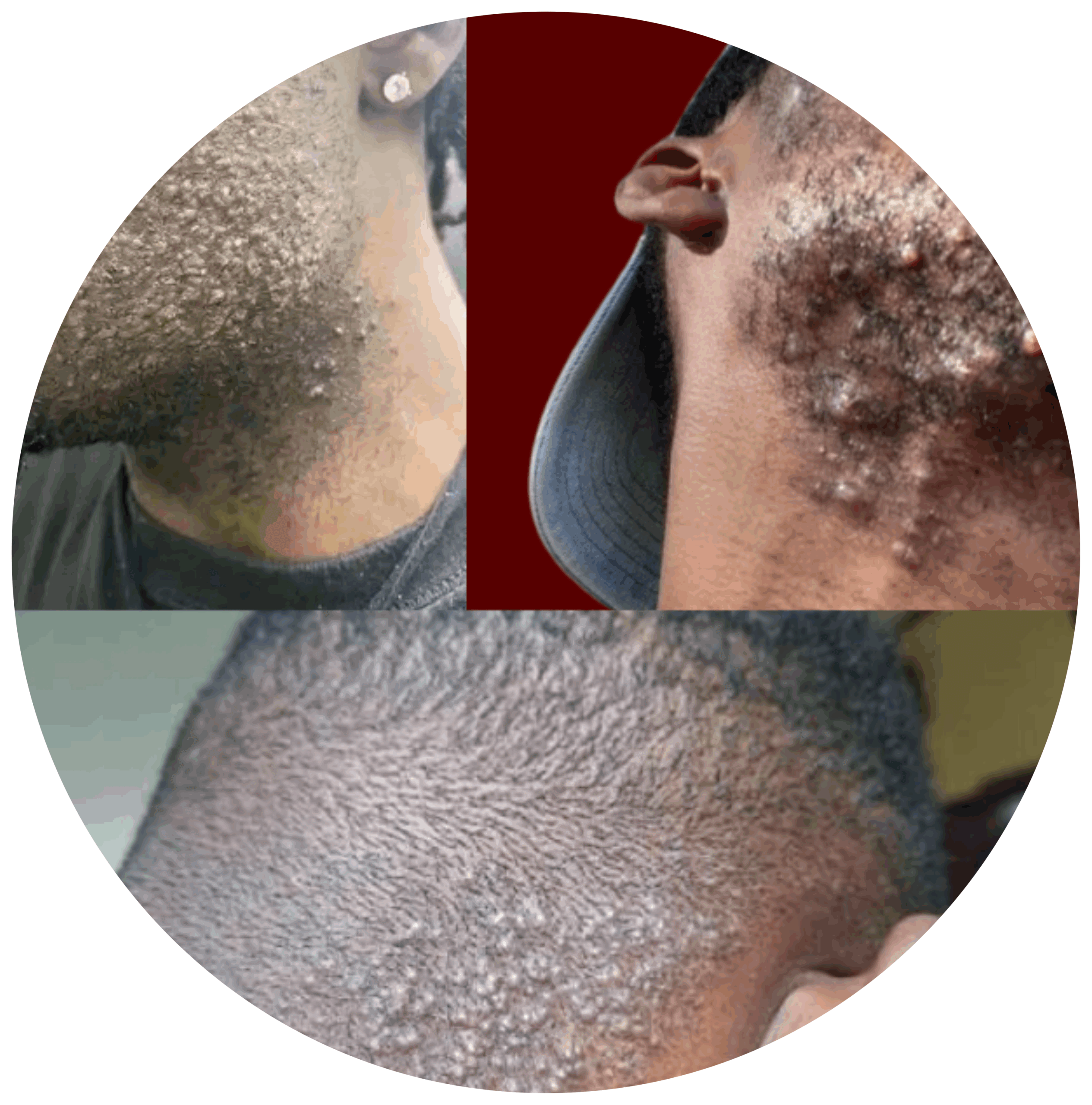
Ever shaved or barbed your hair, only to notice small, annoying bumps appearing on your skin afterward? You’re definitely not alone.Shaving bumps, often called razor bumps, usually start when shaved hair grows back and curls into the skin or irritates the hair follicle. They can be more common after close shaving, especially when using a dull blade, shaving too aggressively, or shaving against the direction of hair growth.So, what do they look and feel like?You may notice small red or dark bumps, itching, tenderness, irritation, or a burning sensation around the shaved area. Sometimes, the affected skin can feel rough or uncomfortable.
Scars
Sometimes, a small cut, wound, piercing, burn, or injury heals—but the skin doesn’t always return to how it looked before. Instead, you may notice a raised, firm, or darker area that stays behind. Keloids and raised scars happen when the body produces too much collagen while repairing damaged skin. They can appear beyond the original wound and may continue to grow over time. What might you notice?
A raised or thickened area, itching, tenderness, tightness, sensitivity, or changes in skin texture and colour. For some people, the appearance alone can affect their confidence.
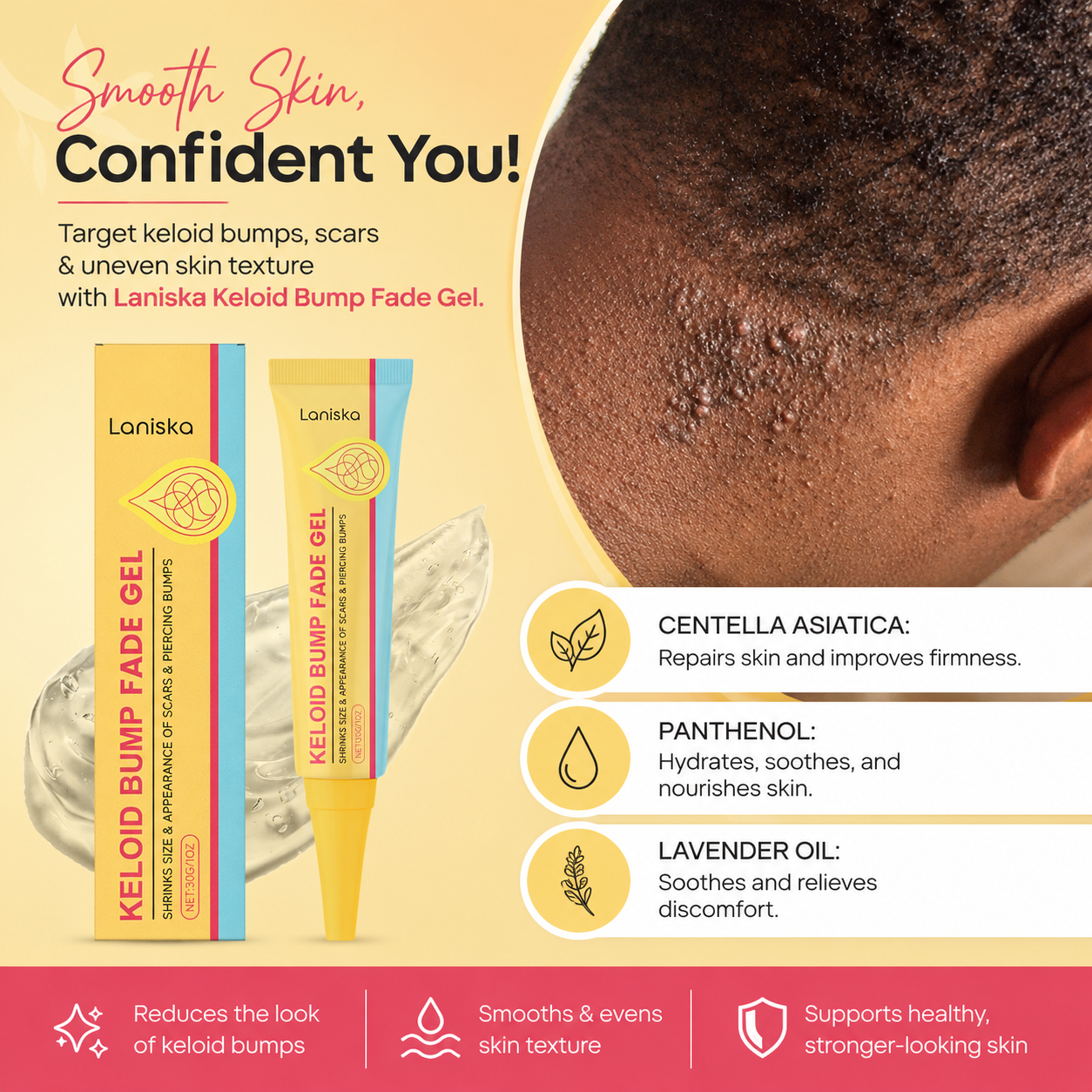
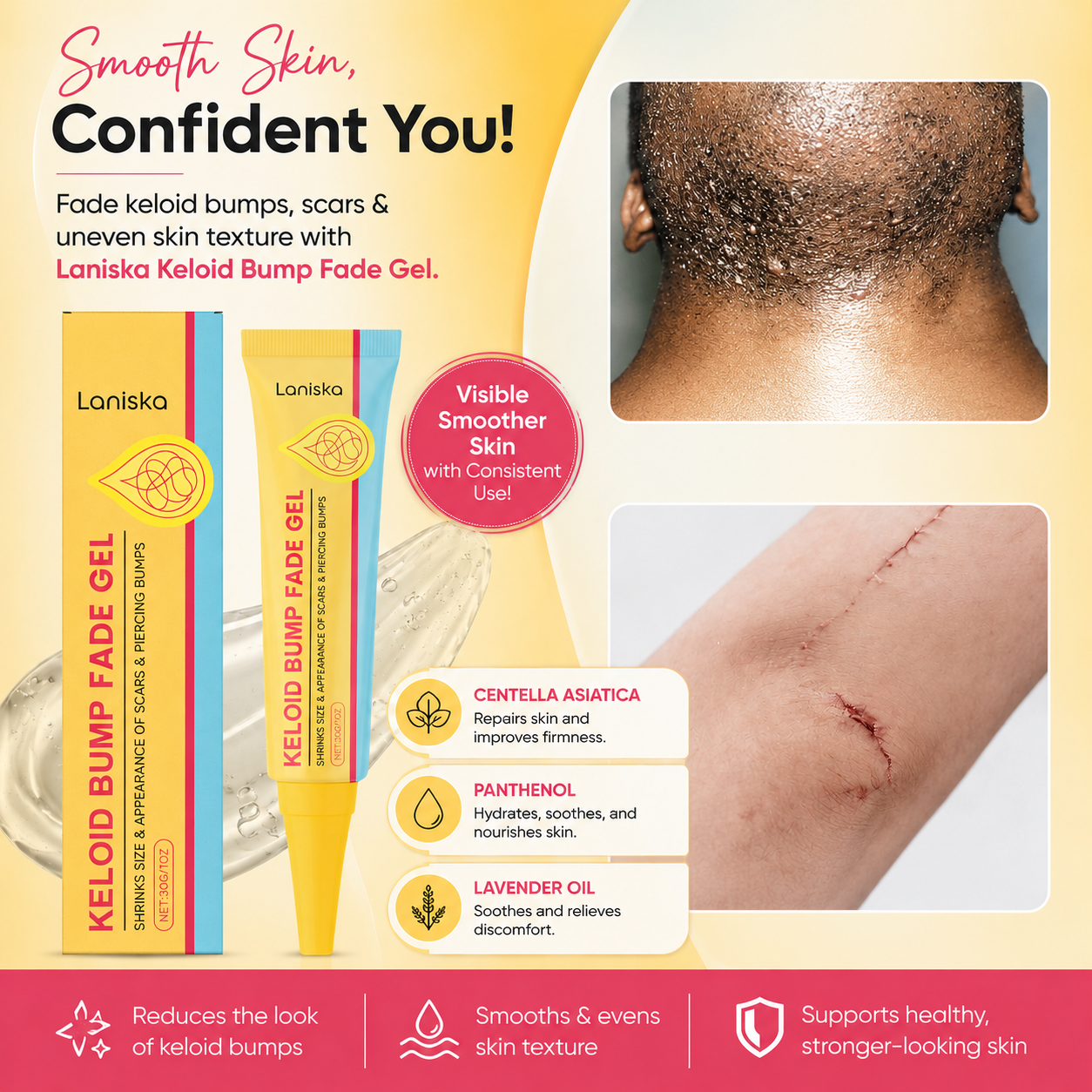
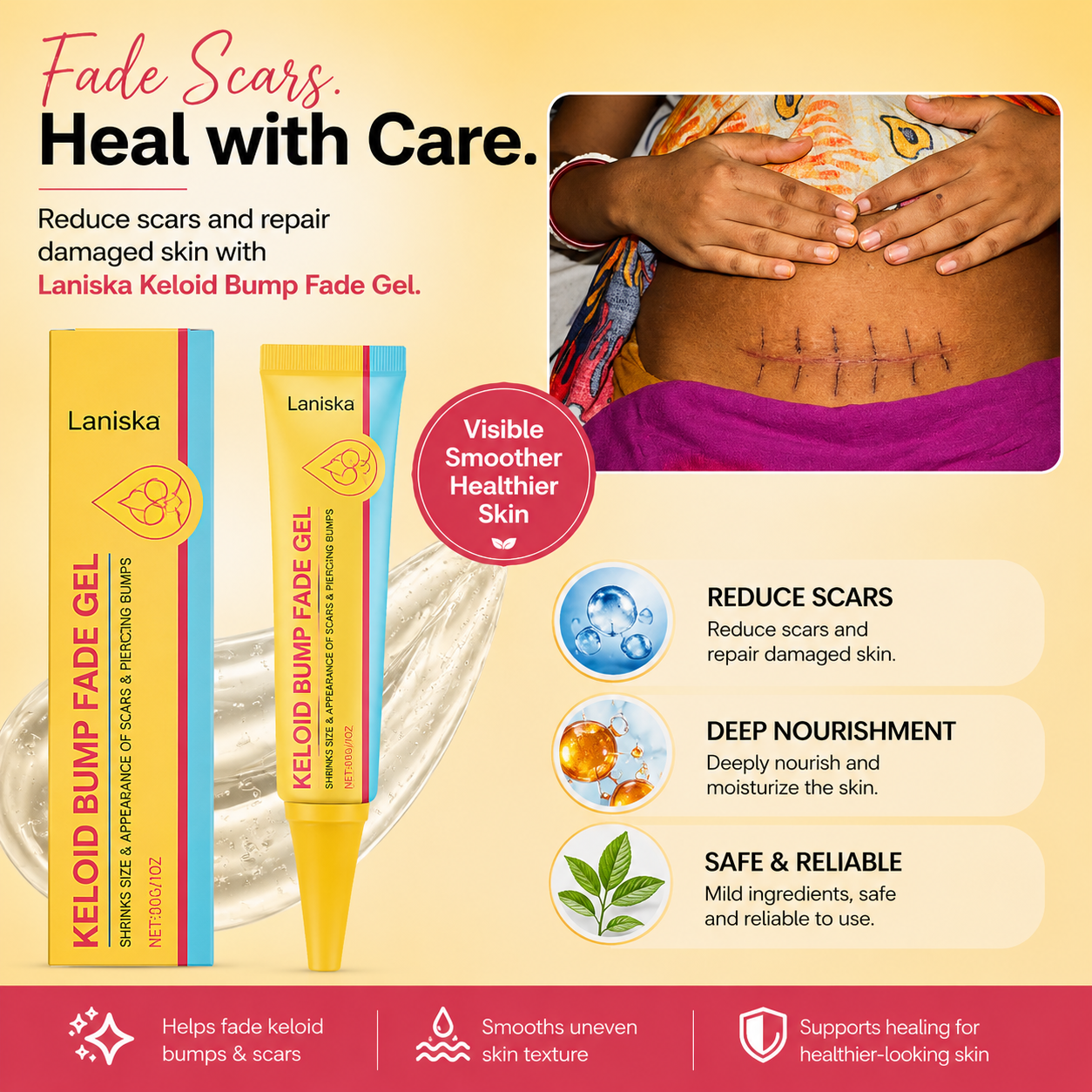
You've probably tried different things to care for that stubborn scar or raised bump, hoping it would eventually look smoother. We recognise that skin issues can be annoying, particularly if they constantly bring up a previous wound, injury, or surgery. That’s where Laniska Keloids, Scars & Bumps Triple-Action Ointment comes in. Laniska is designed to fit easily into your everyday skincare routine, giving you a simple way to care for areas affected by the appearance of keloids, scars, and bumps. Think of it as three-way care for your skin—helping you stay consistent with caring for the affected area while supporting a smoother-looking appearance. The key is consistency. Apply as directed and give your skin time and patience. Results can vary from person to person, so don’t expect an overnight transformation. And remember, your skin deserves care at every stage of healing. Keloids. Scars. Bumps. One simple care routine.
Causes of Keloid/Bumps?
Keloids form as a result of the following not properly taken care of
1. Acne (blocked pores and inflammation)
2. Nose/ear piercing
3. Surgery
4. Barber's clipper
5. Razor Shaving
6. Burns
7. Cut or Scrape
8. Insect bite
9. Skin Injuries
10. Folliculitis (inflamed or infected hair follicles)
11. Lipomas (soft, fatty lumps under the skin)
12. Ingrown Hair (hair growing back into the skin)
Symptoms of Keloids
1. Is raised above the skin
2. Feels firm or rubbery
3. Is smooth and shiny
4. Extends beyond the edges of the original wound or injury
5. May be pink, red, brown, or darker than the surrounding skin
6. Can itch, feel tender, or be painful, especially when it's growing
7. Grows slowly over weeks to months and may continue to enlarge
Symptoms of Bumps
1. Be small or large
2. Feel soft or hard
3. Be painful or painless
4. Be red, swollen, or warm if it's inflamed or infected
5. Contain pus or fluid (such as with a pimple or cyst)
6. Stay the same size or grow over time 7. Be itchy in some case area
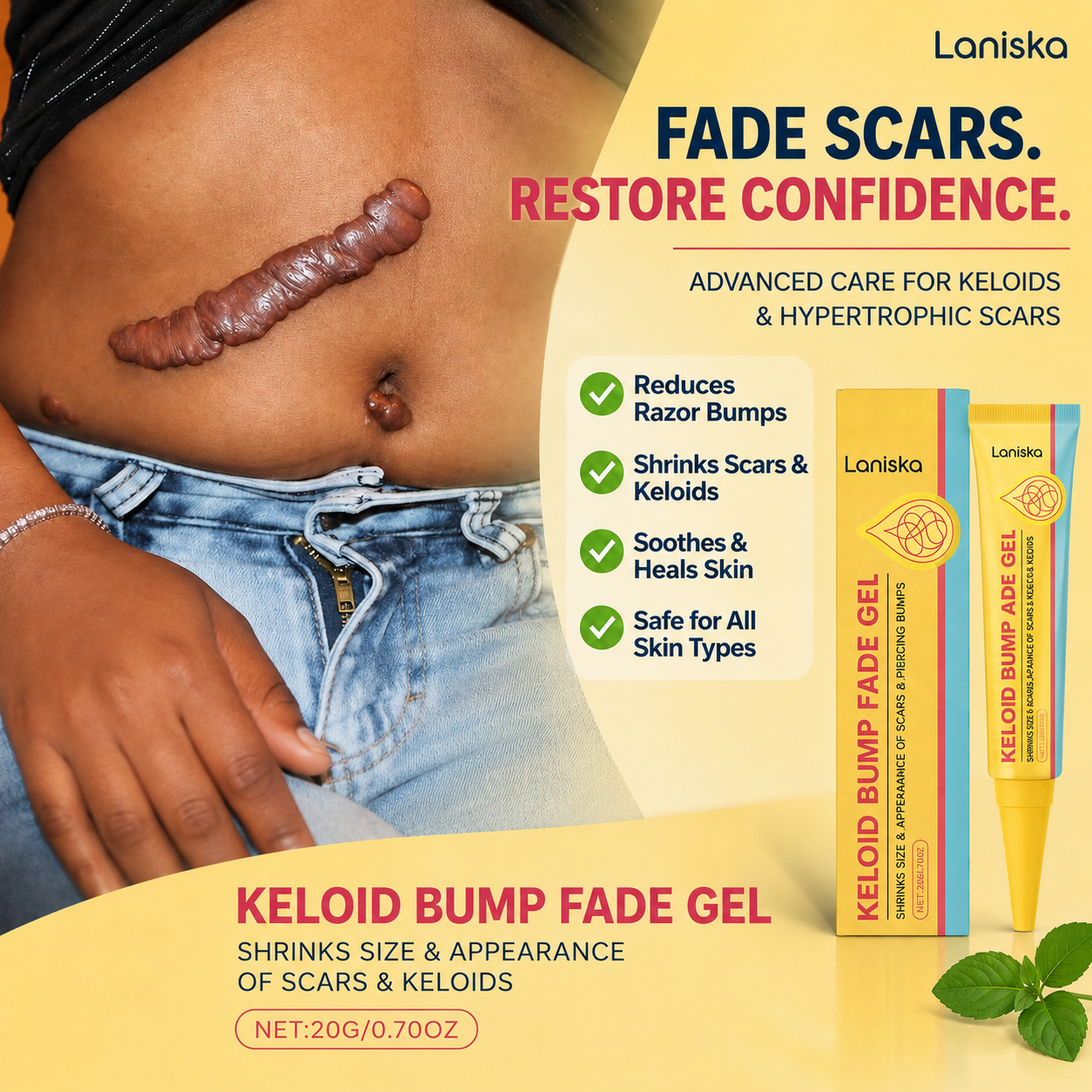
Benefit of Keloid Bump Fade Cream
How to use Keloid/Bump Cream
Frequently Asked Questions
PROMO PRICES FOR TODAY :
* 2 tubes of Laniska Keloid,Bumps and Scar Gel = ₦21,000.00
* 4 tubes of Laniska Keloid,Bumps and Scar Gel = ₦35,000.00
* 6 tubes of Laniska Keloid,Bumps and Scar Gel = ₦45,000.00
FREE BONUS
* FREE Delivery Nationwide.
* A FREE Consultation with our skincare expert on Keloids, Bumps and Scars (valued at ₦15,000:00)
Total of ₦25,000 : 00 FREE BONUSES!!!
NOTE – DO NOT PLACE AN ORDER AND DO NOT COMPLETE THIS FORM IF YOU ARE NOT GOING TO BE IN TOWN TO RECIEVE YOUR ORDER WITHIN 72 HOURS. ALSO READ THE DETAILS OF THIS PRODUCT BEFORE PLACING YOUR ORDER

DISCLAIMER: This site is not part of the Facebook, Facebook Inc. website nor is it endorsed by Facebook. FACEBOOK is a registered trademark of Facebook Inc. Copyright cpcstores,2026. All rights reserved.